This Week in London – Windrush oral histories; Berkeley Square gets a new sculpture; and, Sir Robert Geffrye statue under review…

Hitherto unheard oral histories documenting the lived experience of the Windrush generation and the generations that followed have been released by the Museum of London. The oral histories, which were recorded in 2018 as part of the Conversation Booth project in City Hall, are part of the museum’s new online collection of Windrush-related content. Drawn from the collections of both the Museum of London and Museum of London Docklands, it includes objects, photos, videos and articles. To explore the collection, head to www.museumoflondon.org.uk/museum-london-docklands/windrush-stories.
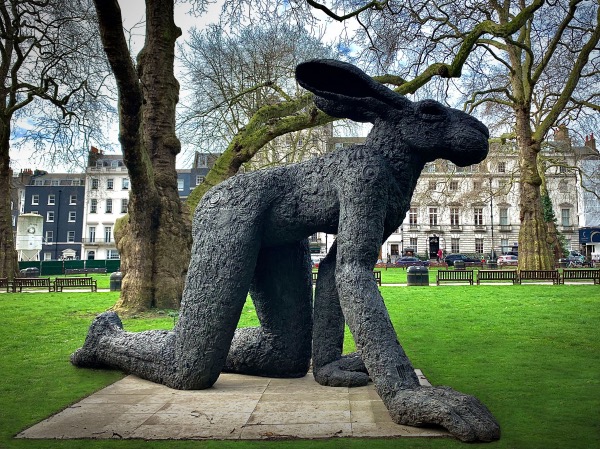
A hybrid sculpture depicting the body of a woman with the head of a hare has gone on show in Berkeley Square. The work of Sophie Ryder, Crawling was hand-made in 1999 from wet plaster, old machine parts and scavenged toys then cast in bronze. The work is part of City of Westminster’s City of Sculpture programme which brings sculpture to iconic outdoor locations.

The Museum of the Home is asking people for their opinion on the future of the statue of Sir Robert Geffrye which stands out the front of the almshouses housing the museum in Shoreditch. The almshouses were built by Geffrye, who was involved with the slave trade having made made his fortune with the East India Company and the Royal African Company, in 1714. The consultation is being held in partnership with Hackney Council which is conducting a wider review of landmarks and the naming of public spaces in the borough. The consultation remains open until the 2nd July. To have your say, head to www.surveymonkey.co.uk/r/geffrye-statue.

Send all items to exploringlondon@gmail.
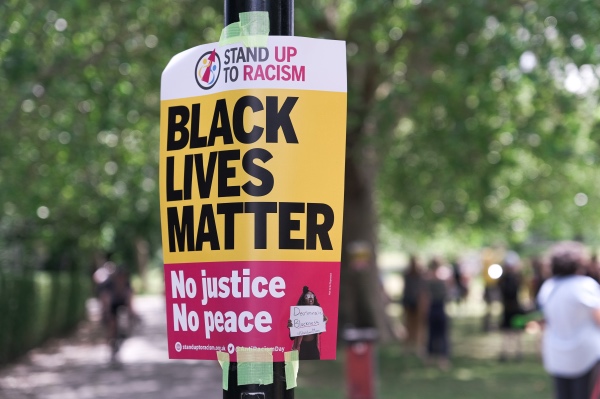
LondonLife – Call for change…

PICTURE: Richard Laxa/Unsplash

This Week in London – Statue of slave owner removed; Finsbury Circus to be redesigned; and, ZSL London Zoo reopening…

A statue of slave owner Robert Milligan has been removed from its position outside of the Museum of London Docklands. The Canal and River Trust removed the statue this week in recognition of the “wishes of the community”. The move had the support of the museum which is one of only three museums in the UK to address the history of the transatlantic slave trade. “The Museum of London recognises that the monument is part of the ongoing problematic regime of white-washing history, which disregards the pain of those who are still wrestling with the remnants of the crimes Milligan committed against humanity…” the museum said in a statement issued earlier in the week. “Now more than ever at a time when Black Lives Matter is calling for an end to public monuments honouring slave owners, we advocate for the statue of Robert Milligan to be removed on the grounds of its historical links to colonial violence and exploitation.” Milligan was a prominent British slave owner who, by the time of his death in 1809, owned 526 slaves and two sugar plantations in Jamaica. The statue, the work of Sir Richard Westmacott, was moved to a position outside the museum in West India Quay in 1997. Earlier this week, the Mayor of London, Sadiq Khan, announced a new Commission for Diversity in the Public Realm which will review landmarks – including murals, street art, street names, statues and other memorials – across the city of London with a view to improving diversity in the public realm.

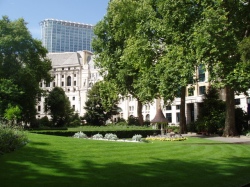
The City of London Corporation has launched a competition to redesign the Grade II-listed gardens at Finsbury Circus. The two-stage competition aims to identity creative and sustainable design ideas in a bid to return Finsbury Circus Gardens to being a multifunctional public space with a pavilion as well as a “sanctuary” within the Square Mile. The corporation is seeking a joint bid from an architect and a landscape architect to deliver a new design for the reinstatement of Finsbury Circus Gardens and Pavilion. Some two-thirds of the Finsbury Circus Gardens, one of the oldest parks in the City, have been used by Crossrail for the past 10 years to provide access to a section of tunnel between Farringdon and Liverpool Street. The works required the removal of historic features like the bowling green and historic Grade II drinking fountain and these will now be reinstated into the new design. PICTURE: Looking across Finsbury Circus Gardens in 2006 (David Williams /licenced under CC BY-SA 2.0)

Tickets for ZSL London Zoo have gone on sale ahead of its planned reopening next week. The zoo will reopen on Monday, 15th June, for the first time since its closure on Saturday, 21st March due to the coronavirus pandemic. The zoo, which is offering pre-allocated, timed entry slots, limited to just 2,000 visitors a day, says its taken numerous measures to ensure the safety of visitors. For more, head to www.zsl.org/zsl-london-zoo.

Send all items for inclusion to exploringlondon@gmail.com.

Lost London – St Swithin London Stone…

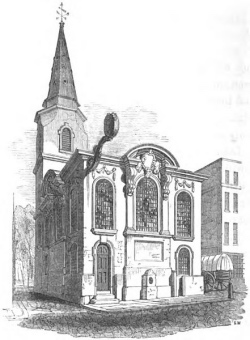
Once located on the north side of Cannon Street, St Swithin London Stone was first recorded in the 13th century, rebuilt after the Great Fire of London and finally demolished after being damaged in World War II.

The church’s curious name comes its dedication to St Swithin, a ninth century bishop of Winchester, and the London Stone, a stone of curious origins which was originally located across the road and then moved across to eventually be placed inside an alcove in the south wall of the church in the 1820s (you can read more about it here).

The medieval church was rebuilt in 1405 thanks to the largesse of Sir John Hind, twice Lord Mayor of London, and had one of the first towers built specifically for the hanging of bells.

The church was famously also the final resting place of Catrin Glyndwr, daughter of Welsh leader Owain Glyndwr, who was taken hostage in 1409 and imprisoned in the Tower of London before dying in mysterious circumstances four years later. Other notable connections include one with John Dryden who married Lady Elizabeth Howard in the church in 1663.

The church was destroyed in the Great Fire of London. Now united with St Mary Bothaw, the church was rebuilt apparently using some of the original stones, to the designs of Sir Christopher Wren. Rectangular in shape, it featured a tower in the north-west corner and an octagonal dome.

The church, which also had an association with the Worshipful Company of Salters, was heavily damaged by bombing during the Blitz. United with St Stephen Walbrook in 1954, the ruined church was eventually demolished in 1962 (the pulpit is now at All Hallows by the Tower). There’s now a garden on the site which features a memorial to Catrin Glyndwr.

PICTURE: The Church of St Swithin, London Stone, as depicted in the 1839 book ‘The Churches of London’ by George Godwin. (public domain)

This Week in London – National Gallery works transformed into light and sound “experiences”

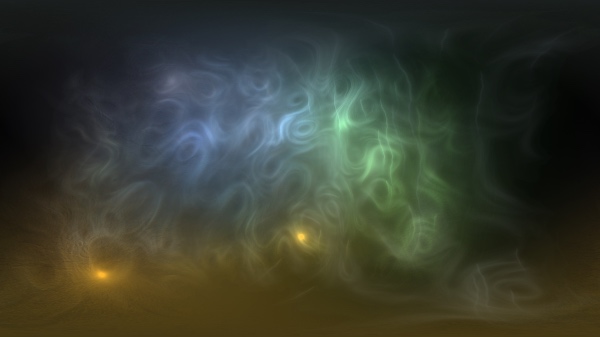
The National Gallery has unveiled a new project which sees some of its most famous works represented as 360 degree light and sound “experiences”. KIMA: Colour in 360, the work of the Analema Group, uses colour data to transforms the works which include Van Gogh’s A Wheatfield, with Cypresses, Monet’s Water-Lilies, Setting Sun. While the first two works can be viewed online, a third – based on van Eyck’s The Arnolfini Portrait – will come later. The work was commissioned by new digital studio National Gallery X (or NGX) and is part of a digital events programme which, on 16th June, will also see the first of a series of one-night immersive events being held in collaboration with London’s media art platform Art in Flux. ‘ART IN FLUX @ NGX’ will present cutting-edge artwork exploring the boundaries between art and technology and feature the work pf pioneering media artists, researchers and academics. To see the first two works and for more about the programme head to www.nationalgallery.org.uk/whats-on/analema-at-ngx. PICTURE: KIMA: Colour Van Gogh © Analema Group. 2020. 

Send all items to exploringlondon@gmail.com.

This Week in London – ‘Disease X’ online; explore the world of the kimono; and, National Gallery announces extensions and deferrals…

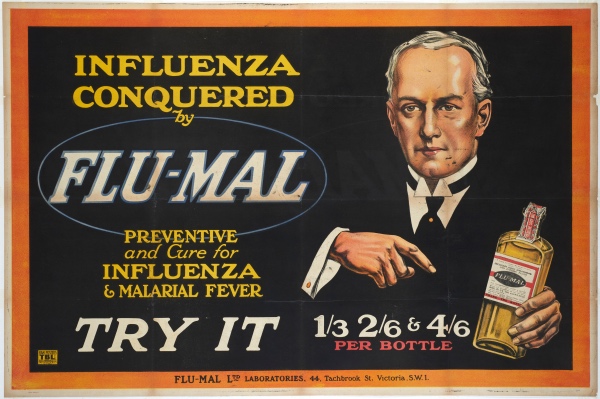
The Museum of London is offering the chance to explore its previous exhibition, Disease X: London’s next epidemic?, online. The exhibition, which was first shown at the museum in between November, 2018, and March, 2019 to make the 100th anniversary of the second wave of the Spanish flu, draws on the museum’s collections as well as historical research and expert views to explore if the city was at risk from an unknown ‘Disease X’. Among the objects in the display are the mourning dress worn by Queen Victoria to mark the shock passing of her grandson Prince Albert Victor due to ‘Russian Flu’, a 17th century pomander used to waft away the foul vapors thought to cause diseases like the plague and a poster advertising ‘Flu-Mal’, a supposed cure for both influenza and malaria. To see the exhibition, head to https://virtualexhibitions.museumoflondon.org.uk/disease-x/. The online exhibition is part of the museum’s mission to bring online content to people at home while its doors are closed under the banner of the ‘Museum for London’. PICTURE: Influenza conquered by Flu-Mal. Advertising Poster © Museum of London.

The V&A has launched a series of five films that take viewers on a behind-the-scenes tour of its exhibition Kimono: Kyoto to Catwalk. Curator Anna Jackson guides viewers through the exhibition spaces and provides personal insights into the making of the show, some of the star exhibits and the history of the kimono. The exhibition tracks the “sartorial and social significance” of the kimono from the 1660s to the present day in both Japan and elsewhere around the world and features international designer fashions and iconic costumes from films and performances. Highlights include a kimono created by Living National Treasure Kunihiko Moriguchi, the Alexander McQueen dress Björk wore on the cover of her album Homogenic, and original Star Wars costumes modelled on kimono by John Mollo. To watch, head here.

The National Gallery has announced it has extended its landmark exhibition Titian: Love, Desire, Death which had been due to close on 14th June, having been open for just three days before lockdown measures were put in place. The gallery has also announced the exhibition Nicolaes Maes: Dutch Master of the Golden Age will also be extended while dates for upcoming exhibitions including Sin, Conversations with God: Copernicus by Jan Matejko, and The Credit Suisse Exhibition: Raphael have been pushed back. For more, see www.nationalgallery.org.uk.

Send all items to exploringlondon@gmail.com.

LondonLife – Remembering those lost…

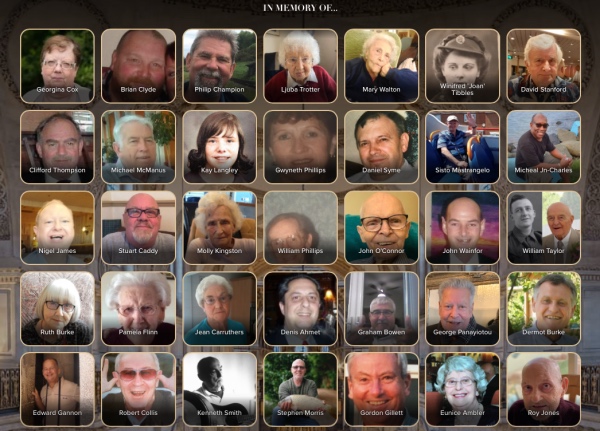
St Paul’s Cathedral has opened an online book of remembrance for people living in the UK who have died as a result of COVID-19. The Remember Me website is open to family, friends and carers of those who have died to submit, free-of-charge, the name, photograph and a short message in honour of the deceased. The book, which will remain open for as long as is required, will eventually be accompanied by a physical memorial which is planned for the cathedral’s north transept. The Very Revd David Ison, Dean of St Paul’s, said that for centuries, St Paul’s has been a place to remember the “personal and national impact of great tragedies”. “Remember Me is an opportunity to mourn every person we have lost to the effects of this terrible disease, an encouragement to offer compassion and support to those left behind, and an ongoing recognition of the impact of the pandemic on the UK.”  The launch of the website last week – which has the support of Prince Charles – was accompanied by the release of a specially recorded piece of music featuring the choristers of St Paul’s, the Remember Me Anthem – Lift Thine Eyes (see below). PICTURE: Screenshot of the memorial website.

This Week in London – RHS Chelsea Flower Show goes virtual; National Gallery art on the streets; and, no summer opening at Buckingham Palace…

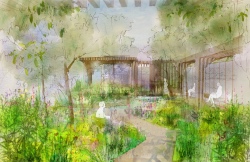
The RHS Chelsea Flower Show is on this week but, due to the coronavirus pandemic, this year it’s a virtual affair. That’s good news for those who might not have been able to attend in person thanks to the stream of video content that’s being posted on the RHS website including garden design tips and planting ideas, virtual garden tours, ‘how to’ demonstrations and meet the growers sessions. Among highlights are a video featuring Sarah Eberle, the most decorated female designer in Chelsea history showing you around her woodland garden, a “lockdown tour” of some of London’s public parks, BBC presenter and multi-gold medal winning designer Adam Frost showing you around his Lincolnshire garden, florist Nikki Tibbles showing you how to create a seasonal bouquet and an update on what the Chelsea Pensioners have been up to on their allotment. The show runs until 23rd May. To see what’s on offer, head to www.rhs.org.uk/shows-events/virtual-chelsea. PICTURE: The Florence Nightingale Garden – A Celebration of Modern Day Nursing/© Robert Myers.

The National Gallery has taken some of its most famous works out onto the streets thanks to a partnership with digital outdoor screen provider, Ocean Outdoor. Seven of the gallery’s most well-known images – Van Gogh’s Sunflowers (1888) and A Wheatfield, with Cypresses (1889), Monet’s The Water-Lily Pond (1899), van Eyck’s The Arnolfini Portrait (1434), Seurat’s Bathers at Asnières (1884), Vigée Le Brun’s Self Portrait in a Straw Hat (1782) and Rousseau’s Surprised! (1891) – are being shown on Ocean Outdoor’s giant screens for two weeks in cities around the UK including London. Head to www.nationalgallery.org.uk for more free art, films, stories and activities.

The Royal Collection Trust has announced it will not open the State Rooms at Buckingham Palace to the public this summer due to the coronavirus pandemic. But the collection and palaces can be explored online at www.rct.uk.

Send all items to exploringlondon@gmail.com.

This Week in London – Mushrooms online; call for homemade signs; and, write a lockdown letter to the National Trust…

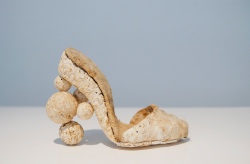
Somerset House is releasing a new virtual tour of its exhibition Mushrooms: The Art, Design and Future of Fungi so people can explore the world of the mushroom and its role in the world’s survival from home. The exhibition, which will go live online on Monday to mark International Museum Day, features highlights including Beatrix Potter’s watercolours of mushrooms, conceptual artist Carsten Höller’s spinning, solar-powered mushrooms, a psychedelic film by Adham Faramawy, Seana Gavin’s hand-cut collages of mushroom-human hybrids and, shoes and shades made from mycelium, the fungal mass which lies beneath the earth under mushrooms. The exhibition will be released online on 18th May at www.somersethouse.org.uk. PICTURED: Kristen Peters, Mycoshoen, courtesy of the artist.

The V&A are seeking homemade signs created during the coronavirus lockdown – everything from children’s rainbow signs to handwritten notes placed in public spaces – to add to its permanent collection. Noting the commonplace nature of such signs during the emergency, the V&A have said that “[w]hether they state temporary closure of a business, express messages of hope or critique, or raise awareness for a good cause, these signs have become a prominent way for us to communicate with the outside world during lockdown”. Through collecting the signs, the museum is aiming to “create and preserve a rich portrait of life under lockdown expressed through visual imagery.” Selected signs will be chosen to join the museum’s collections. Signs can be submitted to homemadesigns@vam.ac.uk while people are also encouraged to share signs they’ve come across on social media using #homemadesigns.

The National Trust is asking people to write letters to its Director General Hilary McGrady, about their lockdown experiences in order to add a selection of them to its collection of historic letters. People are asked to write about what they have most missed since lockdown began and about what solace they may have drawn from nature, art, creativity and any forms of social contact. The National Trust is asking writers to scan or photograph their letter and email it to lettersfromlockdown@nationaltrust.org.uk or share it via the National Trust’s social media channels using @nationaltrust to ease pressure on the postal service. The Trust says it will request postal hard copies from selected authors at a later date.

Send all items for inclusion to exploringlondon@gmail.com

Special – On the VE Day’s 75th, remembering the ‘Docklands at War’…

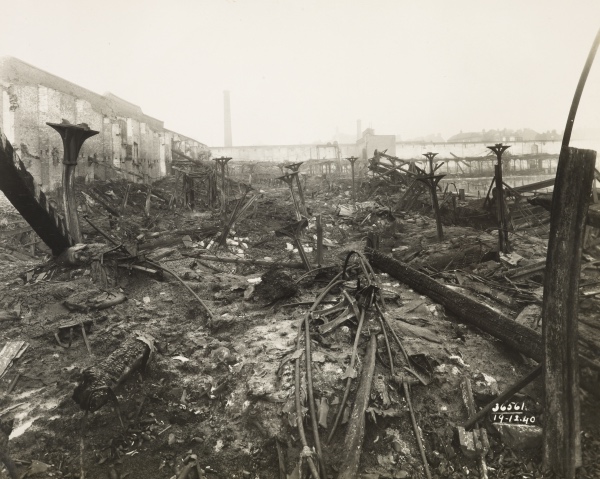
The Museum of London Docklands has released a number of images from its ‘Docklands at War’ collection – including some rarely on display – to mark the 75th anniversary of Victory in Europe. These images of the East End show the scale of the damage and destruction caused to London’s docks during World War II when more than 25,000 German bombs were dropped on it in an attempt to impact the national economy and war production, making tens of thousands of home uninhabitable, damaging businesses and destroying docks with the West India Docks and St Katherine Docks suffering the most damage. The pictures also reveal the remarkable contribution to the war effort by the people who lived and worked in the densely populated area. For more on how the museum is marking the day online, head to www.museumoflondon.org.uk/museum-london-docklands/ve-day.

St Katharine Dock after an air raid on 7th September, 1940, the first attack on Docklands.  PICTURE: John H Avery & Co (© PLA Collection / Museum of London)

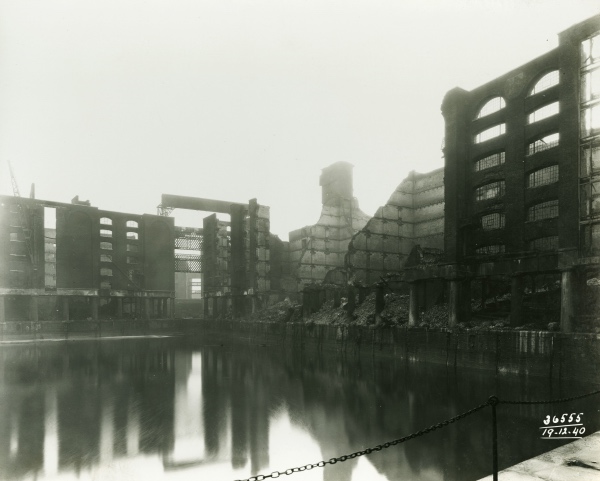
Bomb damage to a shed, formerly Guiness’s on west side of eastern dock, looking north from the southend taken on 19th December, 1940, following an air raid on 8th December that year. PICTURE: John H Avery & Co (© PLA Collection / Museum of London)


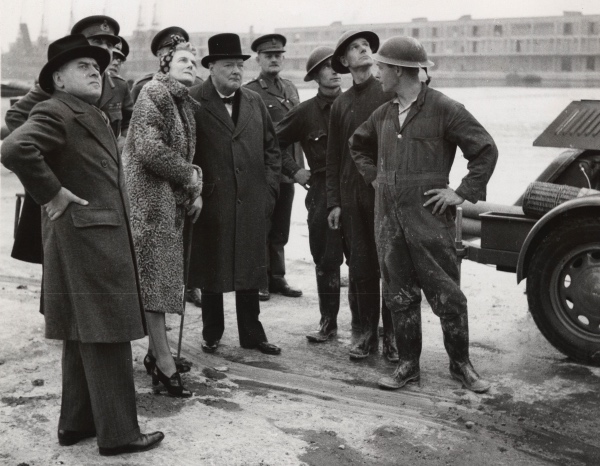
Prime Minister Winston Churchill and Clementine Churchill, with the Flag Officer, London, and J Douglas Ritchie (on left), touring London’s dock in September, 1940, seen with a group of auxiliary firemen. PICTURE: © PLA Collection / Museum of London

Damage caused by a V1 rocket which hit Royal Victoria Dock in 1944. PICTURE: © PLA Collection / Museum of London

The Docklands ablaze during the Blitz on 7th September, 1940. The rising palls of smoke mark out the London Docks beyond the Tower of London, the Surrey Docks to the right of the bridge and the West India Docks on the Isle of Dogs in the distance. PICTURE: © PLA Collection / Museum of London


Tanks arriving in the London Docks prior to embarkation for the D Day beaches in 1944. PICTURE: © PLA Collection / Museum of London

This Week in London – Take a virtual tour of The Crystal Palace (as it was); the ‘Virtual VE Day 75 Festival’; and, capturing life in lockdown…

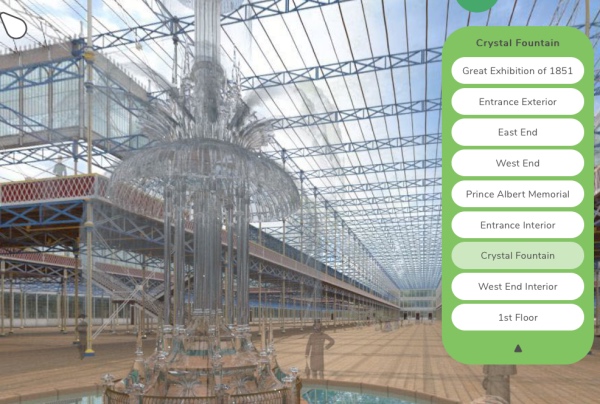
It’s 169 years since the Crystal Palace served as the centrepiece of the ‘Great Exhibition of the Works of Industry of All Nations’ in Hyde Park but for the first time you now have a chance to tour the building virtually. The Royal Parks, working in partnership with educational virtual reality company, Seymour & Lerhn, have recreated the grand glass and iron structure which hosted thousands of exhibits from across the globe at the 1851 exhibition which was spear-headed by Prince Albert. The building has been regenerated digitally using The Royal Commission for the Exhibition’s archive of plans and images, as well as The Royal Parks’ historical documents including old maps. The tour overlays this historic footage over the site as it is now and visitors can switch between the two as well as learn about some of the fascinating stories connected to the Great Exhibition including that of the construction of the first ever public toilets and that of the lady who walked from Cornwall to attend the display. The virtual tour is free to access at www.royalparks.org.uk/parks/hyde-park/things-to-see-and-do/the-great-exhibition-virtual-tour.

The National Museum of the Royal Navy, National Army Museum and Royal Air Force Museum are hosting their first tri-service celebration with a ‘Virtual VE Day 75 Festival’ to mark the 75th anniversary of the end of the war in Europe. The festival runs from today until 9th May and kicks off with ‘Vying for Victory: Britain’s Navy, Army and Air Force in Myth and Memory’ featuring representatives from the museums discussing the service’s respective roles during the closing stages of World War II. Other events include a live webinar featuring historian and broadcaster James Holland speaking to the National Army Museum’s Dr Peter Johnston about ‘Why the Allies Won’, re-enactors sharing stories from real service personnel during the World War II, and an immersive walk-through of HMS Alliance which will provide insights into the isolation experience of submariners on VE Day.  For the full programme of events, head to Virtual VE Day 75 Festival.

The National Portrait Gallery is launching a new community photography project to capture a snapshot of the nation during the coronavirus lockdown. People are being encouraged to submit pictures responding to three themes – ‘Helpers and Heroes’, ‘Your New Normal’ and ‘Acts of Kindness’ – to the project which is called Hold Still. Launched by the Duchess of Cambridge, patron of the gallery, this week, the project is open to Britons of all ages and will see 100 short-listed pictures featured in a digital exhibition. The closing date for submissions is 18th June. Head to www.npg.org.uk/hold-still/ for more.

Send all items for inclusion to exploringlondon@gmail.com.

LondonLife – New life at the Tower during lockdown…

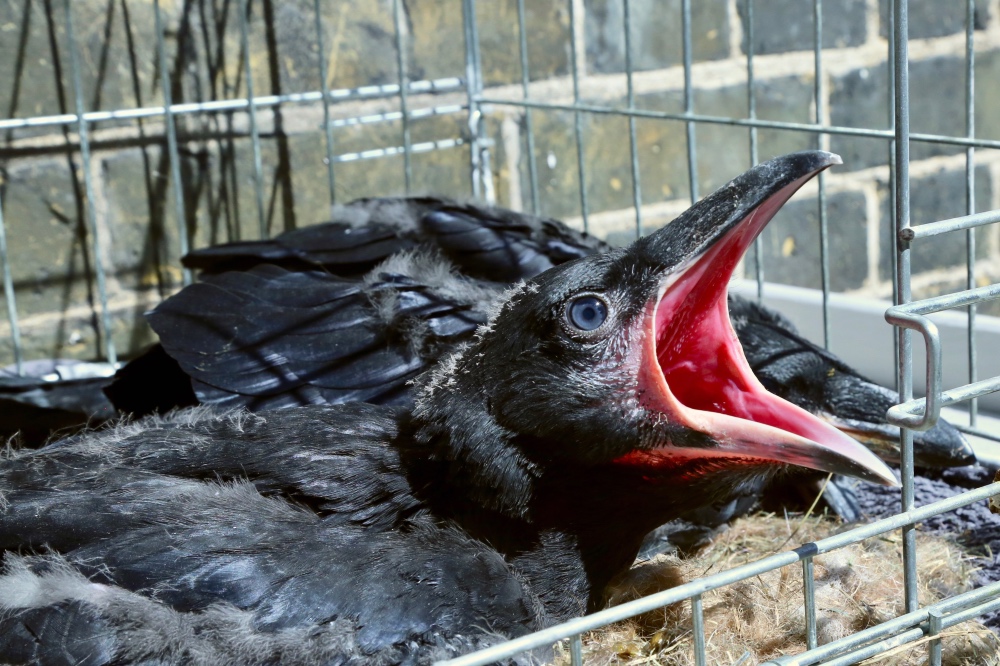
The future of the Kingdom – which legend says will fall should the resident ravens leave the Tower of London – seems secure for now. Three new raven chicks have been born since the country went into lockdown, securing their presence at the Tower for years to come.

The offspring of Huginn and Muninn, who were named after the ravens of the Norse God Odin, the chicks have yet to be named. Born in secrecy, they spent the first couple of weeks with their parents but are now under the care of the Tower’s Ravenmaster, Yeoman Warder Chris Skaife.

The Tower is usually home to six ravens but with eight ravens already in residence, the new chicks will apparently be moving on from the Tower to live with raven breeders in the country, ensuring the future of the Tower ravens bloodline.

They’re not the first chicks to be hatched by Huginn and Muninn – they’re already the parents of Poppy, named for the Tower’s famous 2014 display commemorating the centenary of World War I, and George, who was born on St George’s day at the Tower last year.

The tradition surrounding the special place of the ravens at the Tower is generally attributed to King Charles II following a warning he received that the Kingdom and Crown would fall should they leave.

PICTURES: Top – One of the new chicks; Below – Ravenmaster Chris Skate attends to the birds (© Historic Royal Palaces)

This Week in London – Documenting lockdown lives; home baking on the rise; and, Captain Tom makes more history…

The Museum of the Home has launched a new national collecting project aimed at documenting people’s lives during the coronavirus lockdown. Called Stay Home, the project involves answering seven questions about you and your home and sharing up to five images of your home as well as some personal demographic information. Contributions will become part of the museum’s Documenting Homes collection, an archive of almost 8,000 items which represents homes from the 1900s up to the present day. To take part – or to read the stories of those who have, head to www.museumofthehome.org.uk/explore/stay-home-collecting-project/. The museum is planning to reopen in September following a major redevelopment which includes the renovation of the Grade I-listed Geffrye Almshouses and the development of new spaces which will create 80 per cent more space for exhibitions, events and collections. The reopening will, of course, depend on the situation with regard to the COVID-19 outbreak.

Visits to the National Trust’s home baking pages have increased by almost 900 per cent since the country was locked down in mid-March. Cheese scones have proved the most popular nationally with more than 54,000 people visiting the page in the first four weeks of lockdown – an increase of 3,009 per cent on last year. Second place is apple and rhubarb crumble with almost 15,000 visits (an increase of 581 per cent) and the fruit scone is in third place at almost 10,000 visits (an increase of 737 per cent). Meanwhile in London, favourites include potato and onion soup in Barnet, Westminster and Redbridge, apple cinnamon bun in Islington, chocolate nests in Enfield, and vegetable and coconut curry in Sutton. To visit the recipe pages, head to www.nationaltrust.org.uk/recipes.

Captain Tom Moore – the World War II veteran who has raised more than £29 million for the NHS – will be the first person to be virtually invested with the Freedom of the City of London. Moore, who celebrates his 100th birthday today, made headlines internationally when he completed 100 laps of his garden in the hope of raising £1,000 to support NHS Charities Together. The investiture ceremony will be conducted next week and is believed to be the first time it’s been conducted virtually since the Freedom was first awarded in 1237.

Send all items for inclusion to exploringlondon@gmail.com.

This Week in London – Collecting COVID…

Have an item that shows how your life has changed since the arrival of the novel coronavirus in London in January? 

The Museum of London is seeking to build a collection of objects and first-hand experiences related to the coronavirus pandemic in a bid to ensure future generations of Londoners will be able to learn about and understand this extraordinary period in the city’s history.

The museum, which already holds collections related to disease outbreaks such as the 1889 -1893 and 1918 flu pandemics, is looking for both physical and digital objects related to three main themes – how the physical spaces in the city have been transformed, the effects on key and home workers, and how children and young people are reacting to and coping with the changes now that many schools are closed.

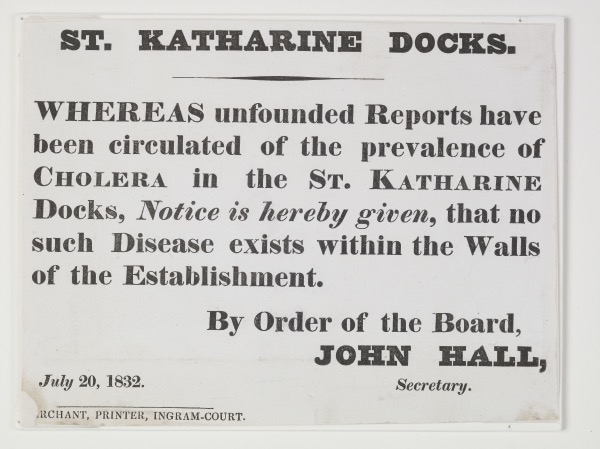
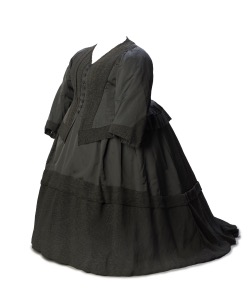
Like those in existing pandemic-related collections – such as the dress Queen Victoria wore to mourn the loss of her grandson to influenza in 1892 (pictured – right) or an 1832 cholera notice issued for St Katharine Docks (pictured – top), the COVID-19-related objects will serve as a reminder of the suffering people are experiencing but also tell the story of the pandemic’s effect on society and culture.

“Londoners, like millions of people around the world, have to find ways of coping with the new life the epidemic has imposed,” says Beatrice Behlen, senior curator at the Museum of London.

“This is a major moment in the capital’s history and we want to collect a range of objects, from clothing to hairclippers, from diaries to memes that reflect the physical and emotional response of Londoners to COVID-19. The Museum of London always strives to tell the story of London and its people. We feel it is imperative to capture this time for future generations, to help us understand how this city dealt with an extraordinary situation.“

Individuals and organisations who would like to donate objects should get in touch via social media @MuseumofLondon or email enquiry@museumoflondon.org.uk.

PICTURES: Top – Printed cholera notice issued by the Secretary of St Katharine Dock Company; Right – Dress ensemble, 1892. Worn by Queen Victoria when in mourning for her grandson, the Duke of Clarence, who died in the flu pandemic in 1893. (© Museum of London)

Send all items for inclusion to exploringlondon@gmail.com

LondonLife – A scaled down birthday celebration…

There will be no gun salutes to mark Queen Elizabeth II’s birthday today thanks to the coronavirus outbreak. So here’s a gun salute from 2012 as we wish her Majesty a happy 94th birthday…

The Royal Gibraltar Regiment perform a 62 Gun Salute at The Tower of London on the 21st April, 2012, to celebrate the Queen’s 86th birthday. PICTURE: SAC Neil Chapman/Defence Images (licensed under CC BY-NC 2.0).

Treasures of London – Thomas Tuttell’s celestial globe…

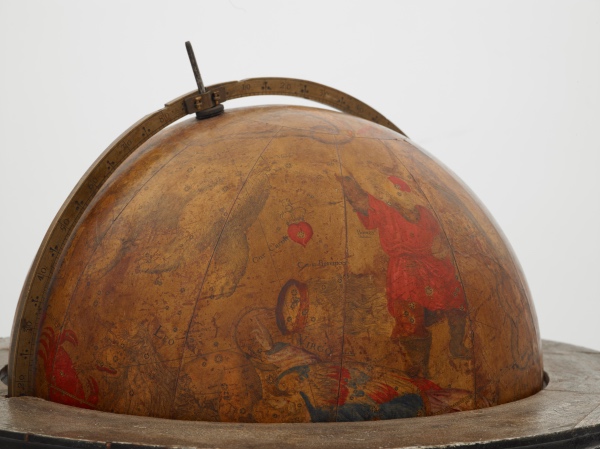
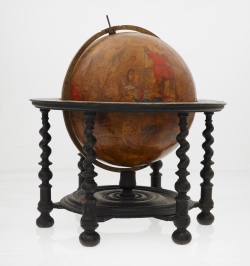
Dating from 1700, this celestial globe was made by Thomas Tuttell, hydrographer and mathematical Instrument maker to King William III in the year 1700.

The globe, a unique survivor of its age, is identical to a celestial globe made by Joseph Moxon in 1653, except for one additional constellation in the northern hemisphere named the ‘Cor Caroli’ (Heart of Charles), a reference to King Charles I (the constellation was named by Sir Charles Scarborough to commemorate the restoration of the monarchy in 1660 and it was first published on a star map in 1673).

It is one of 10 historic globes which have been made available for close-up inspection, including using an augmented reality tool which allows you to spin and zoom in at will, on the British Library’s website.

The 10 are the first tranche of globes to go online in a project involving British Library staff and digitisation company Cyreal that will eventually involve 30 globes.

Others among the first 10 include what is possibly the earliest miniature ‘pocket’ globe – dating from 1679, it was made by Joseph Moxon, two globes made by Willem Janszoon Blaeu – a terrestrial globe and a small table star globe – which date from 1606, and Johann Doppelmayr’s terrestrial and star globes from 1728.

There’s also Richard Cushee’s 1730 terrestrial globe with its unusually late inclusion of the island of California, Charles Price’s 1715 globe containing unusual annotations, and Gabriel Wright and William Bardin’s 1783 globes.

The globes, which are part of the library’s map collection, can be found at www.bl.uk/maps/articles/european-globes-of-the-17th-and-18th-centuries.

PICTURES: © British Library (licensed under CC BY-NC-SA 4.0).

This Week in London – English Heritage sites online; and, The Painted Hall in virtual reality…

With historic properties and cultural institutions closed across London, we’re showcasing some of the online opportunities that are available to continue your explorations of the city…

London’s Eltham Palace and Kenwood House (pictured above) are among 29 English Heritage sites around the country which are being showcased on the Google Arts & Culture platform. English Heritage, which first announced the partnership with Google Arts & Culture, was the first heritage organisation and multi-site installation to do so and the Google site now contains a plethora of information and immersive experience about the English Heritage properties. To explore the site, head to https://artsandculture.google.com/project/english-heritage. And for those looking for more online experiences, the organisation is also pointing to its Stonehenge Skyscape site which allows visitors to experience a live sunrise over Stonehenge as well as see the journey of the stars and the moon from within the stone circle and learn about the monument’s design and how its builders may have understood their place in the cosmos. For more, see www.english-heritage.org.uk/skyscape/. PICTURE: It’s No Game (licensed under CC BY 2.0)

Reopened in 2019, The Painted Hall at the Old Royal Naval College in Greenwich following a two year conservation project. To celebrate the reopening – and the new life given to Sir James Thornhill’s 40,000 square feet of painted walls and ceilings – a virtual, 360 degree online tour was also launched so people could visit from the comfort of their own home. You can access the tour by following this link.

Send all items for inclusion to exploringlondon@gmail.com.

This Week in London – See the’ Enchanted Interior’ online; Jewish Museum launches live streams; and, ‘The Easter Story’ at the National Gallery…

With everyone being asked to stay at home, we’re highlighting online exhibitions and talks. Wishing all our readers, despite the circumstances, a happy Easter!

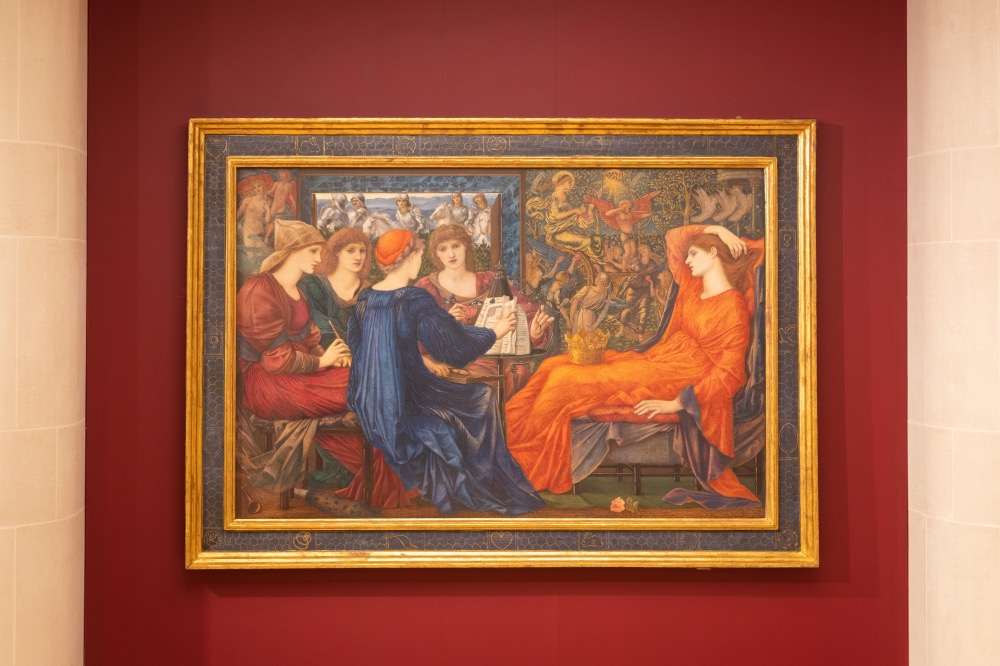
The Enchanted Interior exhibition, recently seen at the City of London’s Guildhall Art Gallery, can now be seen in an exclusive virtual tour led by curator Katherine Pearce. The exhibition, which explores the recurring motif of female subjects depicted in enclosed, ornate interiors, sees artworks by Victorian-era Pre-Raphaelites such as Edward Burne-Jones, Evelyn De Morgan and James Abbot McNeill Whistler placed alongside modern and contemporary works by female artists including Martha Rosler, Maisie Broadhead and Fiona Tan. The virtual tour can be found at cityoflondon.gov.uk/enchanted. PICTURE: One of the Pre-Raphaelite works featured in the exhibition.

With its doors now closed, the Jewish Museum London is holding a series of live streams featuring talks on significant objects in the museum’s collection as well as a ‘Shabbat Shalom Quiz of the Week’ and an arts and crafts session. Under the umbrella of the ‘Jewish Museum London Live’, these upcoming events include a talk on the glass Elijah Cup and another on an object related to baking challah which includes some ways of plaiting challah that you can try at home. For more, see jewishmuseum.org.uk/events/ 

Follow the story of the Passion of Christ through the artworks at the National Gallery in a special online exhibition for Easter. Among the artworks in The Easter Story exhibition – some of which are not on display in the actual gallery – include Rembrandt’s Ecce Homo, Raphael’s The Mond Crucifixion and Michelangelo’s The Entombment (or Christ being carried to his Tomb). To see it, head to www.nationalgallery.org.uk/paintings/the-easter-story. The gallery also has a virtual tour of the Sainsbury Wing which can be accessed at www.nationalgallery.org.uk/visiting/virtual-tours/sainsbury-wing-vr-tour.

Send all items for inclusion to exploringlondon@gmail.com.

Special – The Queen addresses the COVID-19 crisis…

We’re interrupting our usual coverage to bring the Queen’s address to the UK and Commonwealth during this time of crisis…

This Week in London – Treasures of Osterley and, a Summer Opening remembered…

With the closures of properties around London thanks to the COVID-19 emergency, we’ll be highlighting some online exhibitions instead. Here’s a couple to get you started…

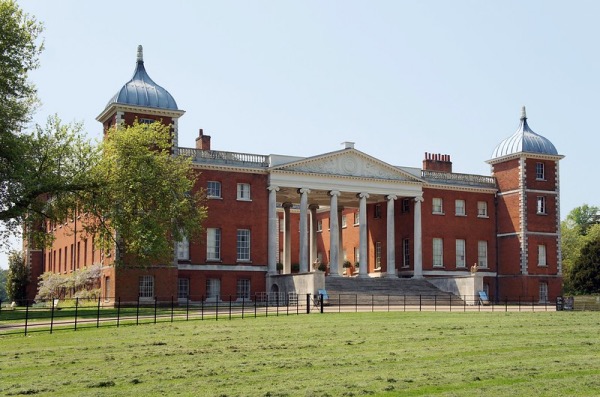
Osterley House in Isleworth in London’s west was purchased by the Child banking family in 1713 who then set about transforming the property and filling it with treasures sourced from around the world. An exhibition, which was held at the house between November and February but which can now be viewed online, tells the story of the family who developed the banking business Child & Co during Britain’s Financial Revolution between 1660 and 1750. While the property, which is now looked after by the National Trust, is rightfully famous for the interiors Robert Adam created in the later 18th century, Treasures of Osterley: Rise of a Banking Family, features treasures from this earlier era. Among the items featured are a receipt for money signed by King Charles II’s mistress, Nell Gwynn, a lacquered screen from China decorated with the arms of the Child family (c1715-20), and the oil painting Saint Agatha by Carlo Dolci (1616–1687), which was purchased by Sir Robert Child. To view the exhibition (which was open to the public at the house between November and February), head to www.nationaltrustcollections.org.uk/exhibition/treasures-of-osterley. PICTURE: Maxwell Hamilton (licensed under CC BY 2.0)

Visitors to the Summer Opening of the State Rooms at Buckingham Palace in 2018 were able to see a special display of artworks selected by the Prince of Wales to mark his 70th birthday. The exhibition, Prince and Patron, featured Prince Charles’ favourite works from both the Royal Collection and his private collection. They include a cedar wood pavilion created by classical Afghan-born carver Nasser Mansouri, a red felt cloak which, believed to have been worn by Napoleon, was seized from Napoleon’s baggage train at Waterloo following his defeat, and, various portraits of the Prince and other members of the Royal Family. The display can be viewed on the Google Arts and Culture website.