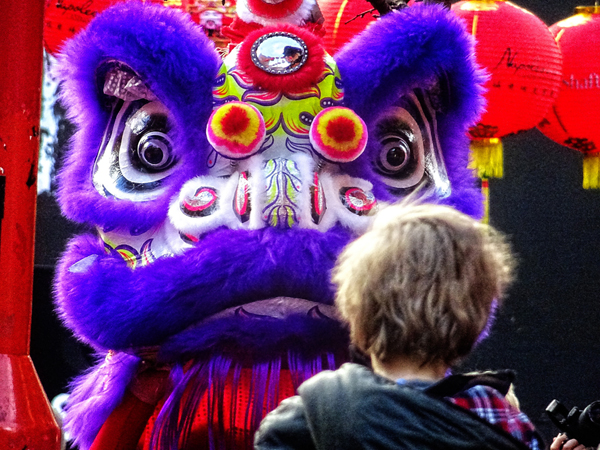
A scene from Chinese New Year celebrations heralding the Year of the Rooster held in central London last weekend. PICTURE: Garry Knight/Flickr/CC BY 2.0
A scene from Chinese New Year celebrations heralding the Year of the Rooster held in central London last weekend. PICTURE: Garry Knight/Flickr/CC BY 2.0
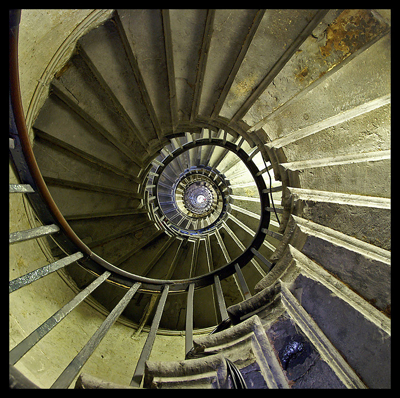
Inside The Monument, built to commemorate the Great Fire of London, in the City of London. For more on the history of The Monument. PICTURE: Flickr/CC BY 2.0.
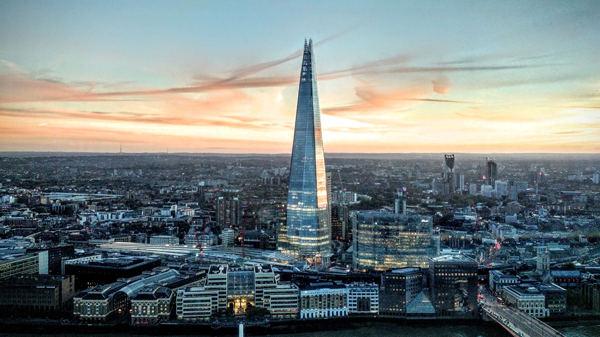
No sign of Tube turmoil as we look south across the River Thames to The Shard and Southwark. The 95 storey high building is the tallest in London (and the fourth tallest in Europe). PICTURE: Fred Mouniguet/Unsplash
London is illuminated for Christmas. Here’s some of what photographers on Flickr have captured this year…

Christmas in Regent Street. PICTURE: Michael Reilly/Flickr/CC BY 2.0
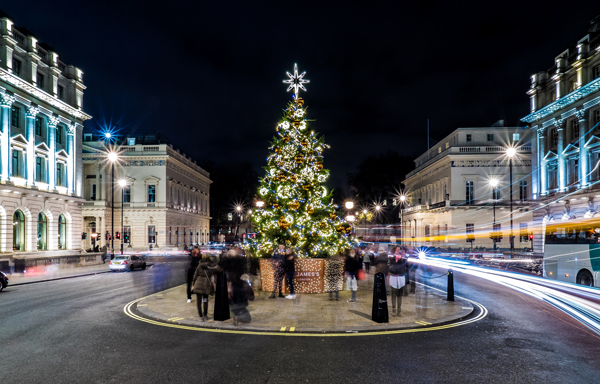
Christmas tree in Waterloo Place. PICTURE: William Warby/Flickr/CC BY 2.0
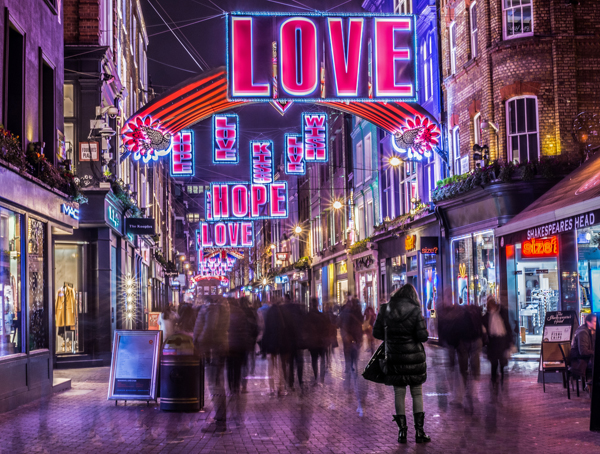
Carnaby Street. decorations PICTURE: Roger/Flickr/CC BY-SA 2.0

Oxford Street under lights. PICTURE: Paolo Braiuca/Flickr/CC BY 2.0 (image cropped).
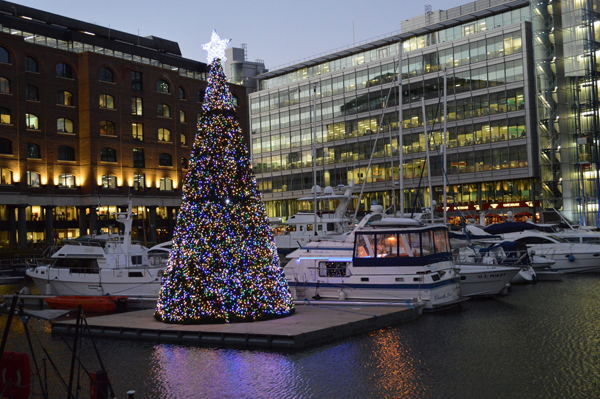
A floating Christmas tree at St Katharine Docks. PICTURE: Matt Brown/Flickr/CC BY-SA 2.0

Kinson Leung captures the vibrant colours of the annual Winter Wonderland fair in Hyde Park. PICTURE: Via Unsplash.
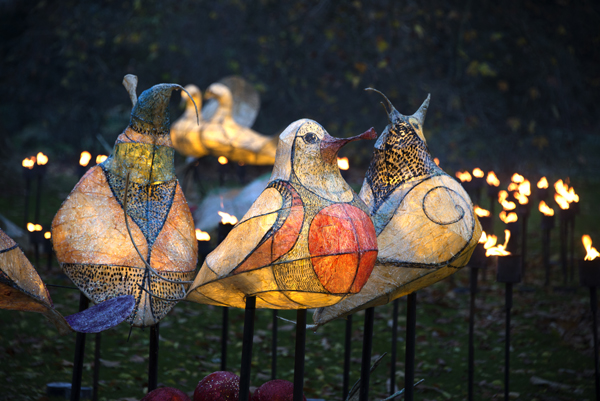
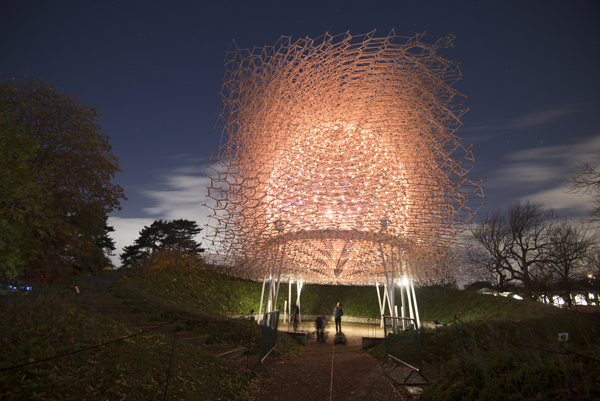
 More than 60,000 lights are being used to illuminate Kew Gardens this Christmas in a mile long trail through the foliage. The trail features eight newly commissioned installations from UK and international artists including Bloom – a display of 1,700 swaying flowers by the group Squidsoup (above), and the roaring scented Fire Garden – a display themed around the Twelve Days of Christmas by And Now: (pictured below are three French hens from the installation). The trail also features Wolfgang Buttress’ bee-inspired installation, known as the The Hive (pictured second below), which has been lit with 1,000 LEDs that pulsate and glow against the night sky, and finishes with an “explosion” of brightly coloured laser beams across the Palm House Pond (pictured third below). There’s also a panto featuring Santa and his elves and a Victorian carousel. The night lights can be seen until 2nd January. Admission charge applies (and there’s timed entry). Kew is also running a program of family-oriented Christmas activities during the day across the period. For more, see www.kew.org. PICTURES: Jeff Eden, RBG Kew.

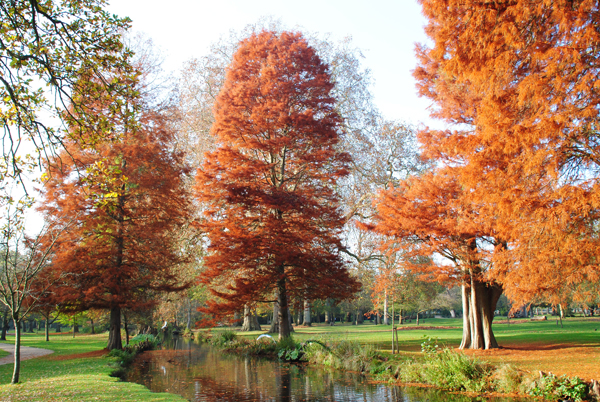
Autumnal colour on display in Bushy Park, south-west London. For more on the history of the park, see our earlier post here.
PICTURE: David Adams

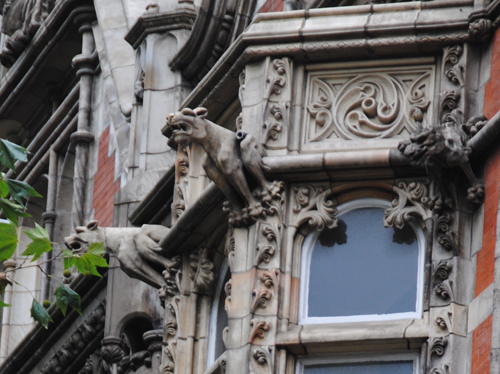
A gasometer built in 1886 as part of the South Metropolitan Gas Company’s East Greenwich works.
PICTURE: Sérgio Rola/Unsplash

The HMS Belfast has marked 45 years since it sailed up the River Thames to its current mooring site off The Queen’s Walk, just to the west of Tower Bridge. The ship, which is Europe’s only surviving World War II cruiser and which, as well as taking part in that conflict, also saw action in the Korean War, opened to the public in 1971. More than nine million people have since visited the ship which features nine decks, all of which are open to sightseers. For more on the ship, see www.iwm.org.uk/visits/hms-belfast.
 The UK’s first airport “garden gate” – featuring some 1,680 plants – has been planted at Heathrow’s Terminal 3 in a six month trial of the concept which could see the garden gates being implemented across the airport. Designed by urban greening specialists Biotecture, the installation at Gate 25 covers seven different sites in the gate room and features plants such as English native ivy and the Peace Lily and provides an “eco-sanctuary”, conveying a sense of calm to passengers as they embark on their journey.
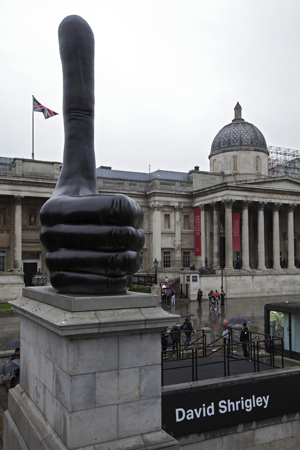 A giant hand giving a thumbs-up, the latest commission to grace Trafalgar Square’s famous Fourth Plinth, was unveiled late last month. Really Good, by UK artist David Shrigley stands seven metres high and features a disproportionately long thumb arising from a closed fist. The sculpture is the latest in a string of artworks to have graced the plinth which was built in 1841 and originally designed to hold a statue of King William IV but, thanks to a lack of money, remained empty until recent times. Speaking at the launch of the new work last month, the artist said the work was about “making the world a better place or it purports to actually make the world a better place”. “Obviously, this is a ridiculous proposition, but I think it’s a good proposition,” The Independent reports him saying. “Artworks on their own are inanimate objects so they can’t make the world a better place. It is us, so I guess we have to ask ourselves how we can do this.” For more on the Fourth Plinth program, see www.london.gov.uk/what-we-do/arts-and-culture/art-and-design/fourth-plinth-2016
PICTURE: © Gautier Deblonde
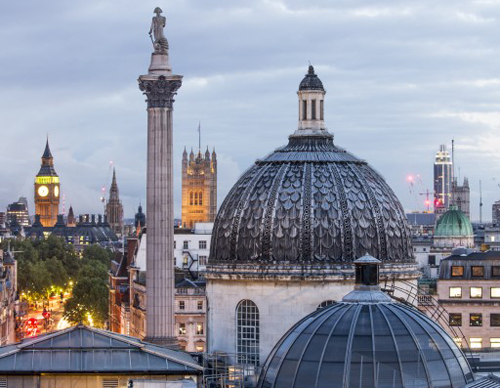
Looking across the roof of the National Gallery past Nelson’s Column to Westminster. PICTURE: London & Partners.

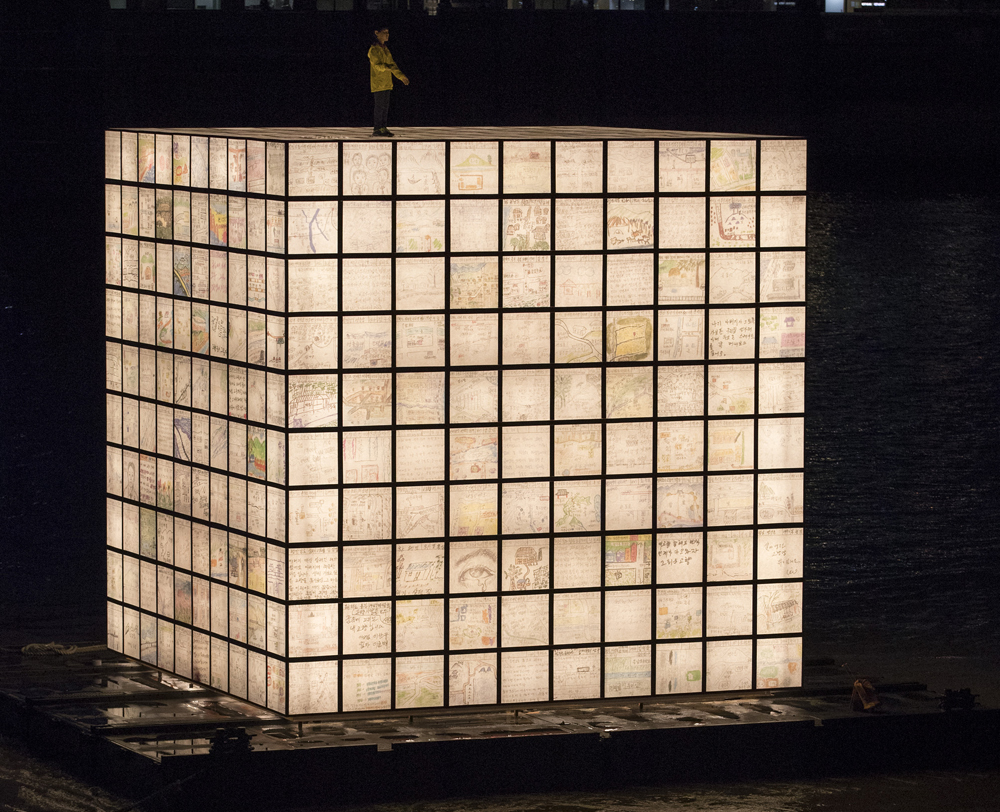
Part of the Totally Thames festival, South Korean artist Ik-Joong Kang’s eye-catching installation, Floating Dreams, acts a memorial to the millions of people who were displaced and divided during the Korean War (1950-53) as well as symbolising the hopes that North and South Korea will once again be unified. The three-storey high installation, which sits on the river alongside Millennium Bridge, is constructed from 500 drawings created by the generation, now aged in their 80s and 90s, who had fled North Korea for South Korea during the war. Their images have been transferred on pieces of a traditional Korean rice paper known as Hanji and then compiled into the cube. The illuminated installation can be seen throughout the festival which runs until 30th September. For more on what’s happening throughout Totally Thames, see http://totallythames.org.
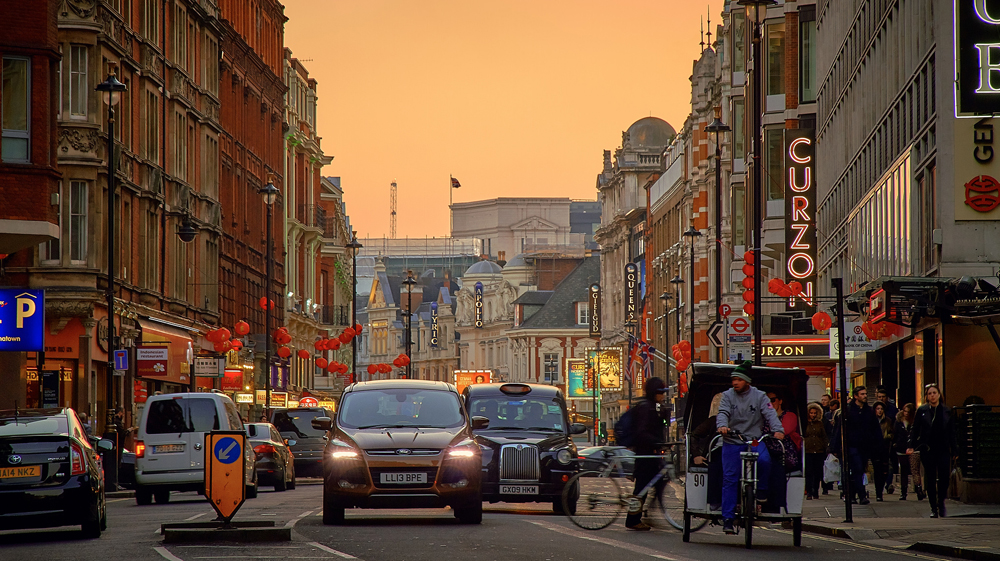
Looking down Shaftesbury Avenue, the heart of London’s Theatreland, in the West End. PICTURE: Pedro Szekely/Flickr/CC BY-SA 2.0

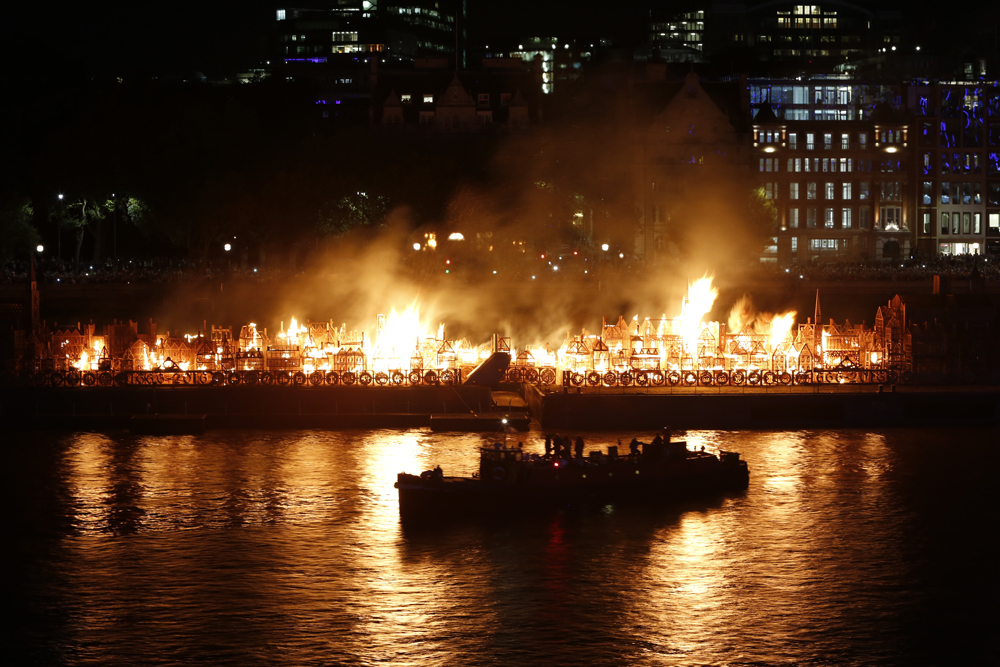
London blazed again on Sunday night when a 120 metre long wooden replica of the city as it was in Restoration times was set alight to mark 350th years since the Great Fire of London. London 1666 was designed by US “burn artist” David Best for London’s Burning – a festival of events in the City of London produced by Artichoke to mark the anniversary. It had been placed on a barge moored in the River Thames before it was lit up to ensure that the fire didn’t spread anywhere it wasn’t wanted. The actual Great Fire of London broke out in a bakery on Pudding Lane shortly after midnight on 2nd September, 1666, and blazed across the city for four days, destroying more than three quarters of the old City of London as it render tens of thousands of Londoners homeless and devastated iconic structures like Old St Paul’s Cathedral. You can see a video of the burn here. PICTURES: © Matthew Andrews.

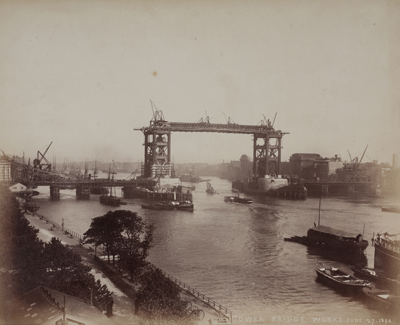
 Albury Street in Deptford, 1911. The image, taken by the London County Council, is just one of thousands which form part of a new free, online resource, Collage – The London Picture Archive. The world’s largest collection of images of London, the archive contains more than 250,000 images of London spanning the period from 1450 to the present day. It includes more than 8,000 historical photographs of life on the capital’s streets as well as major events – everything from the Great Fire of London in 1666 to the construction of Tower Bridge in the late 19th century. The photographs, maps, prints, paintings and films in the collection are all drawn from the collections of the City of London Corporation’s Guildhall Art Gallery and the London Metropolitan Archives in Clerkenwell. Other images shown here include (above right) ‘Street Life in London’, 1877 (taken by Adolphe Smith and John Thomson, this image was an early use of photography); (below) ‘Construction of the Metropolitan Railway (the first tube line)’, 1862 (taken at King’s Cross Station); and (far below), ‘The Construction of Tower Bridge’, 1891-1892 (taken from Tower Embankment). Collage – The London Picture Archive is free to access and available at www.collage.cityoflondon.gov.uk.
All images © London Metropolitan Archives (City of London).

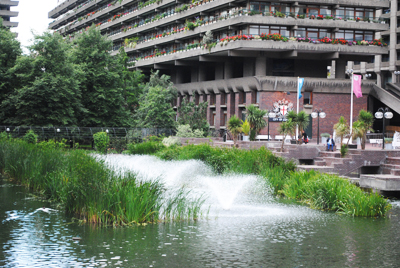
Inside the Barbican Estate residential development in the City of London. The Brutalist, Grade II listed, complex was developed in the 1960s and 1970s in an area which had been devastated in the bombing of World War II. For more on the development and the origins of its name, see our earlier post here. PICTURE: David Adams
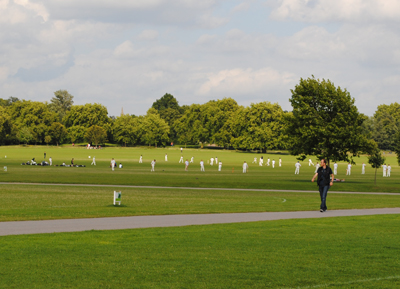
A quintessentially English summer pastime in London’s inner north.
PICTURE: David Adams
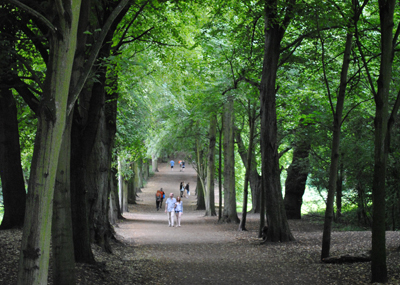
 Exploring London
